Mechanical Pencil Month – Day 14: Compass inserts
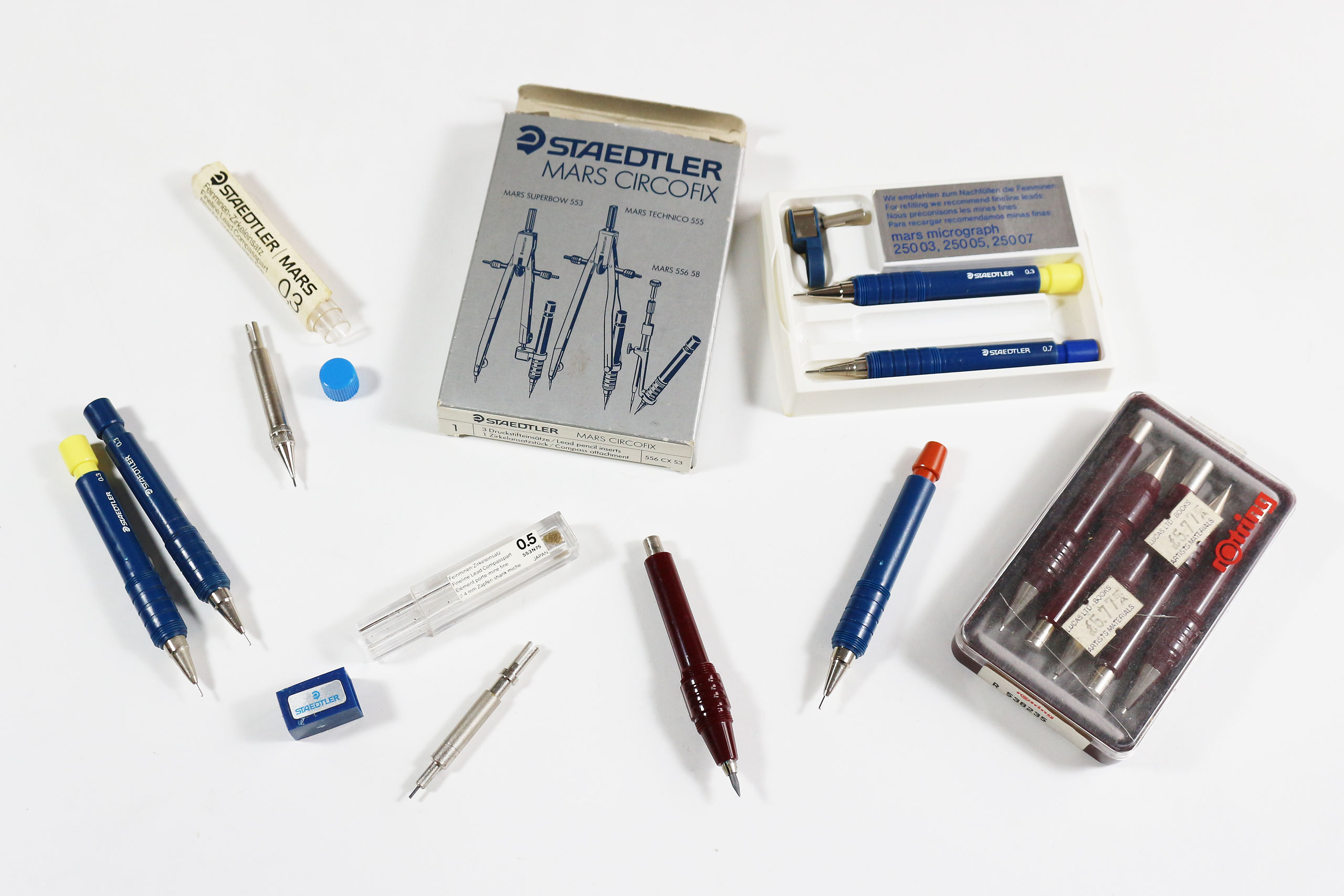
As mentioned in day twelve's survey of lead refills, A.W. Faber's polygrade leads revolutionised the compass pencil insert, with 2 mm quickly becoming the standard size of fitting. Mostly these…
Unlucky for some, the Staedtler 925 85 REG is one of those pencils that elicits mixed opinions. Released by Staedtler's Japanese division in 2004, its short name comes from the…
For the twelfth day of Christmas Mechanical Pencil Month, I present a whistlestop tour of twelve lead refills from my collection of [insert large number here]. They have been arranged…
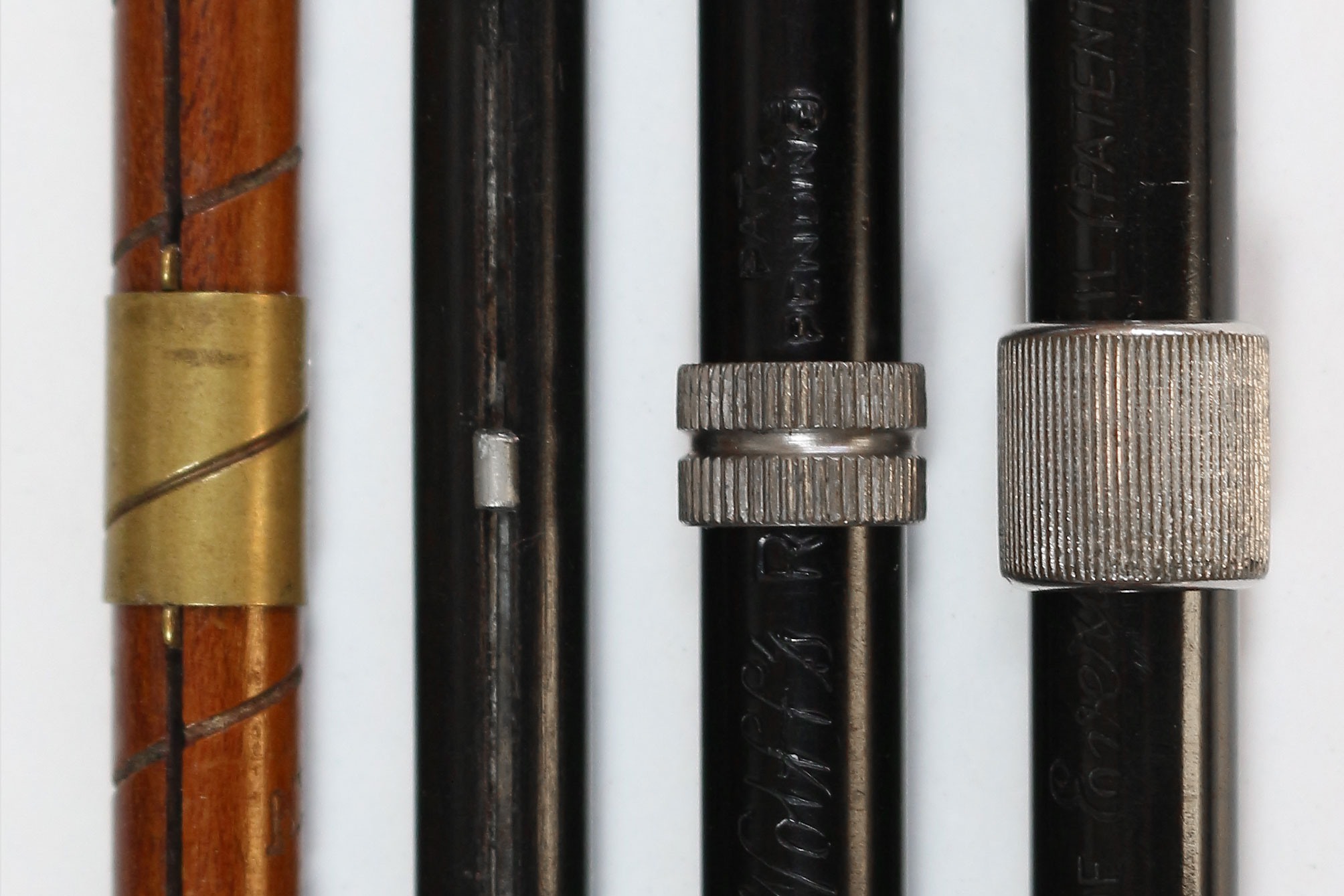
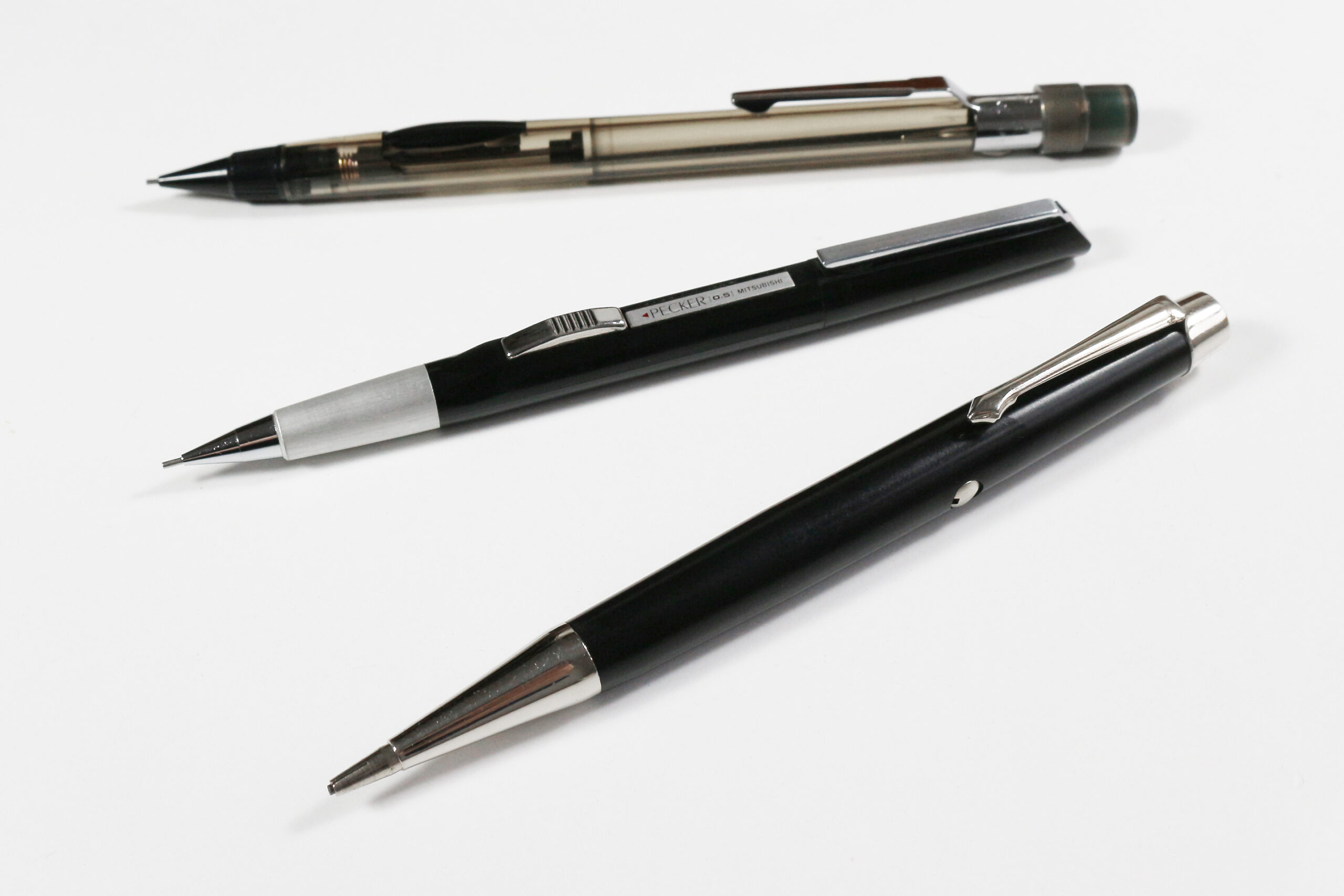
Today's post takes a quick look at three examples from the small sub-genre commonly referred to as "side-knock" pencils. Unlike most conventional mechanical pencils in which the lead is advanced…
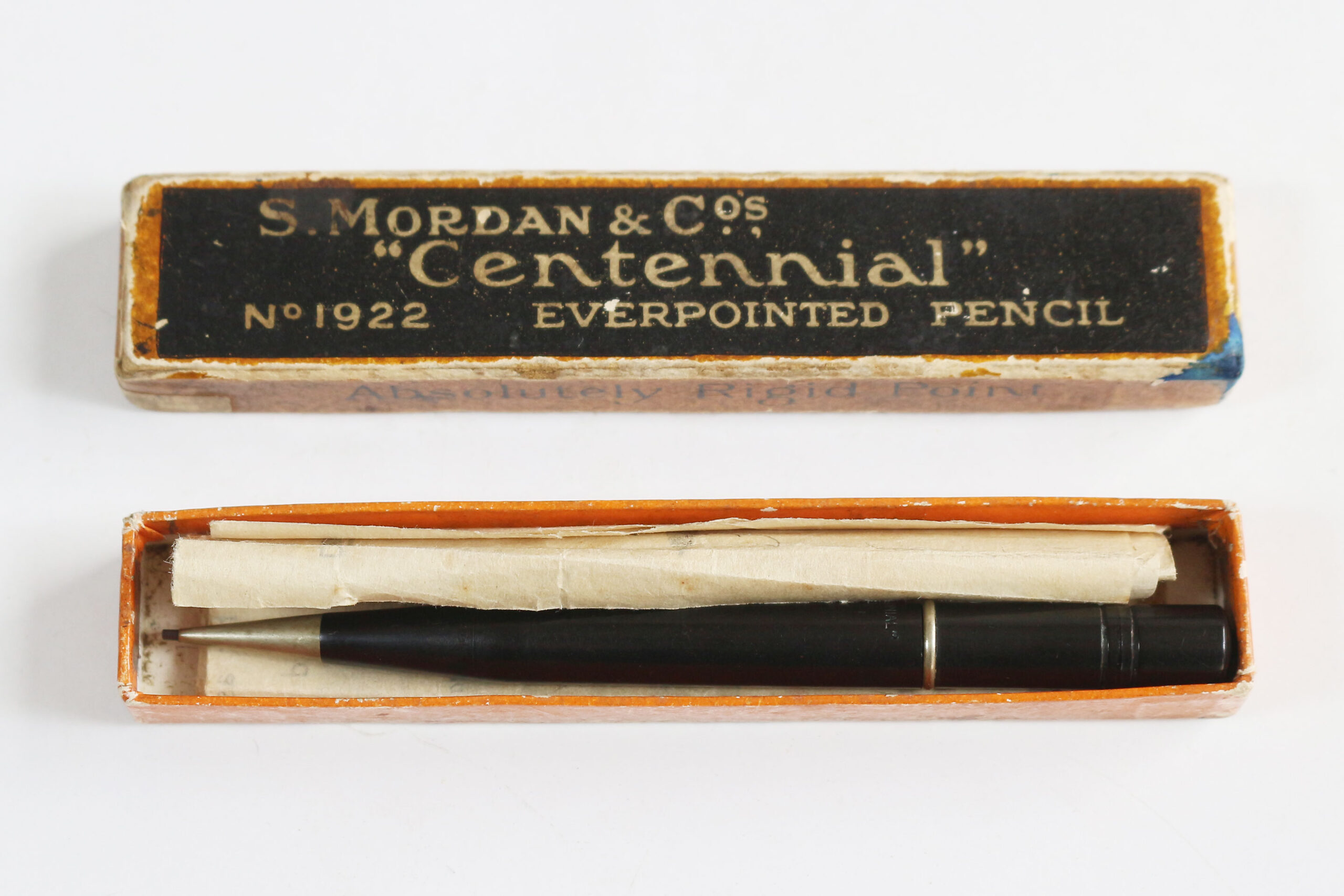
We have already reached the halfway point of our countdown to the bicentenary of Hawkins and Mordan's 20 December 1822 patent for the first mechanical pencil. It therefore seemed appropriate…
There's no mistaking today's pencil, that icon of space age design, the Tekagraph 9603 by Faber-Castell. Instantly recognisable by its two dramatically different halves - a curvilinear grip section colliding…
Today's post asks the question: What makes a mechanical pencil? Day three's Nestler with its complex double-push action definitely qualifies; the simple cedar pencils of day two, clearly not. Going…
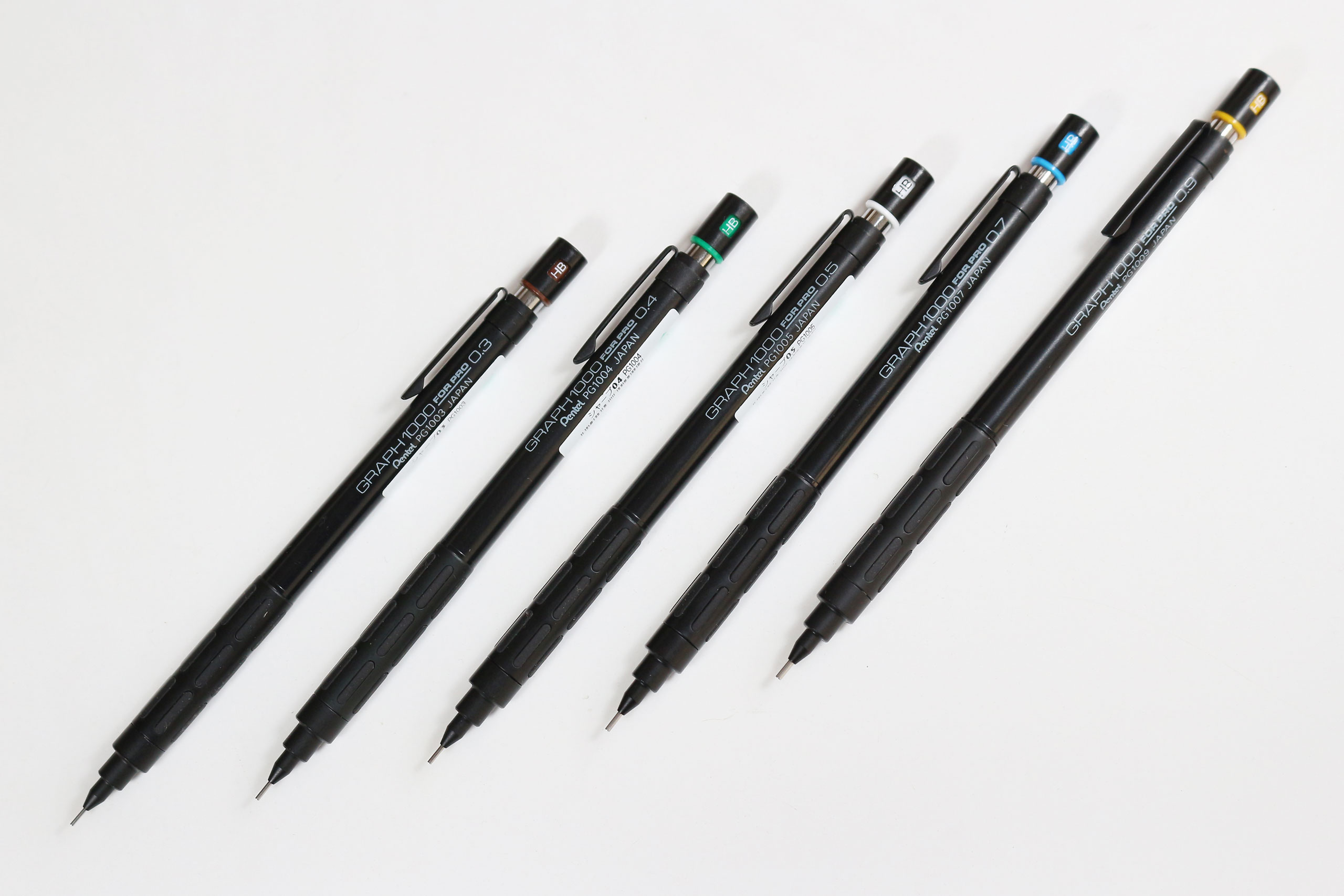
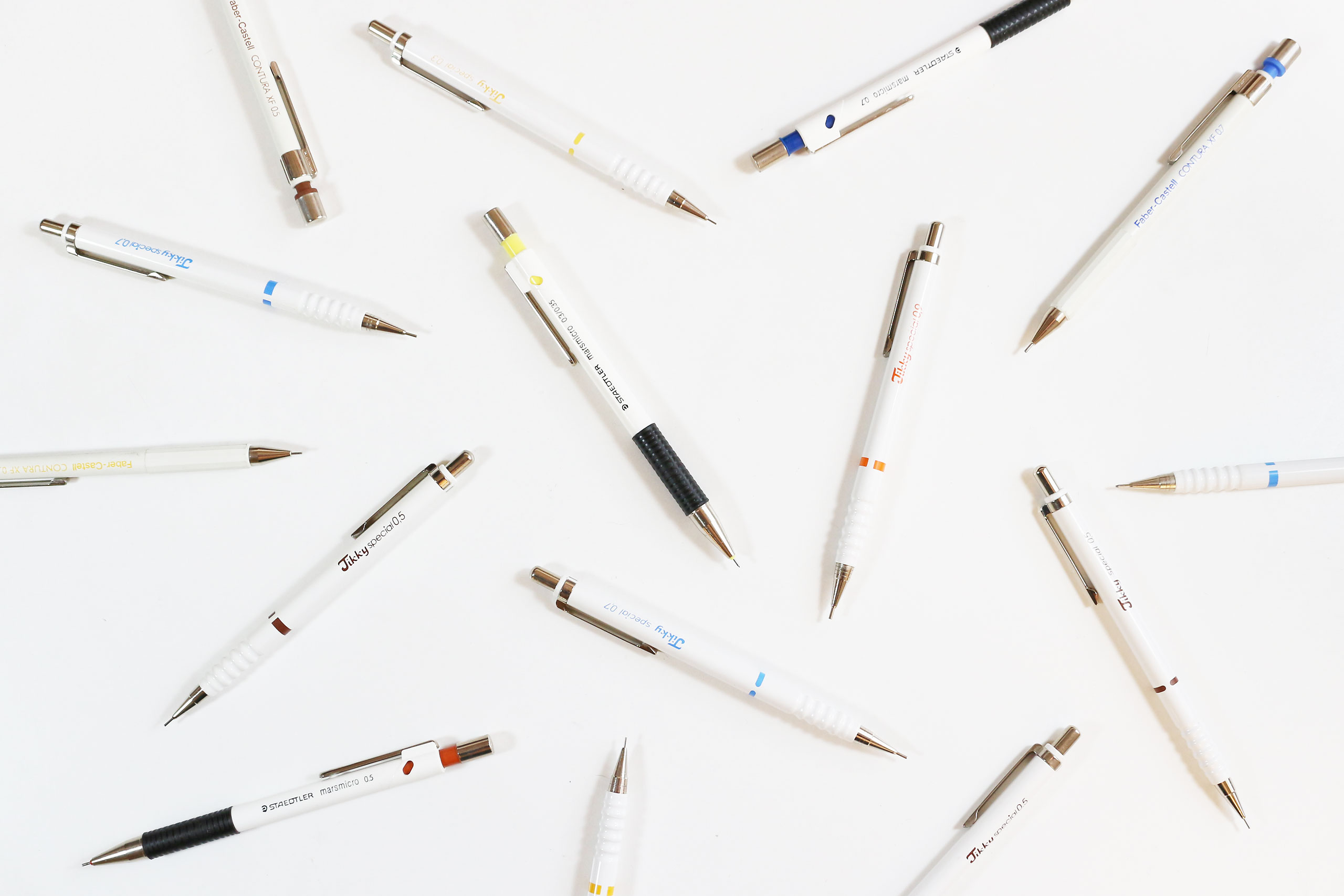
Most modern fineliner pencils come in a range of different lead sizes within the same basic chassis, typified by Pentel's P200 range which are identical in design except for the…
You can never have too many...
It's Monday and we all probably need a bit of cheering up, so today's post is completely free from obscure patents, overcomplicated mechanisms and wacky design features (unless you count…